
Closing the garden: how to prepare your beds for winter?
The arrival of winter does not mean the market gardener can simply 'let the soil rest' bare. Quite the opposite. October to December are key months.


The arrival of winter does not mean the market gardener can simply “let the soil rest” bare. Quite the opposite. October to December are essential months for tidying up after a busy season, protecting the soil structure and anticipating early-year crops.
On a bio-intensive market gardening micro-farm, closing the garden is a crucial step: choosing the right protection method, preparing (or not) the beds, tarping correctly, preventing the wind from blowing everything away. So many technical decisions that will make the difference in March.
1. Three ways to protect your soil in winter
Winter may seem long, but it is a precious opportunity to protect and regenerate the soil. Three main options exist.
Leave crops in place
Some crops overwinter without problem and will be harvested in spring: broad beans, onions, sometimes garlic or spinach depending on the system. They then play a double role: producing a harvest and keeping the soil covered.
Sow green manures
If they have been planted in September, October or even up to December for cereals, green manures provide active plant cover. They protect the soil, limit erosion and improve its structure, particularly for beds intended for late crops (April-May).
Tarping by occultation
This is the method we favour: a long tarping, from November to March. It is ideal when the future crops are scheduled as early as January, February or March, since the period is too short to obtain a useful green manure.
Occultation also breaks down the organic residues left in place, reduces weed pressure and keeps the soil protected and structured.
2. Preparing (or not) your beds before tarping
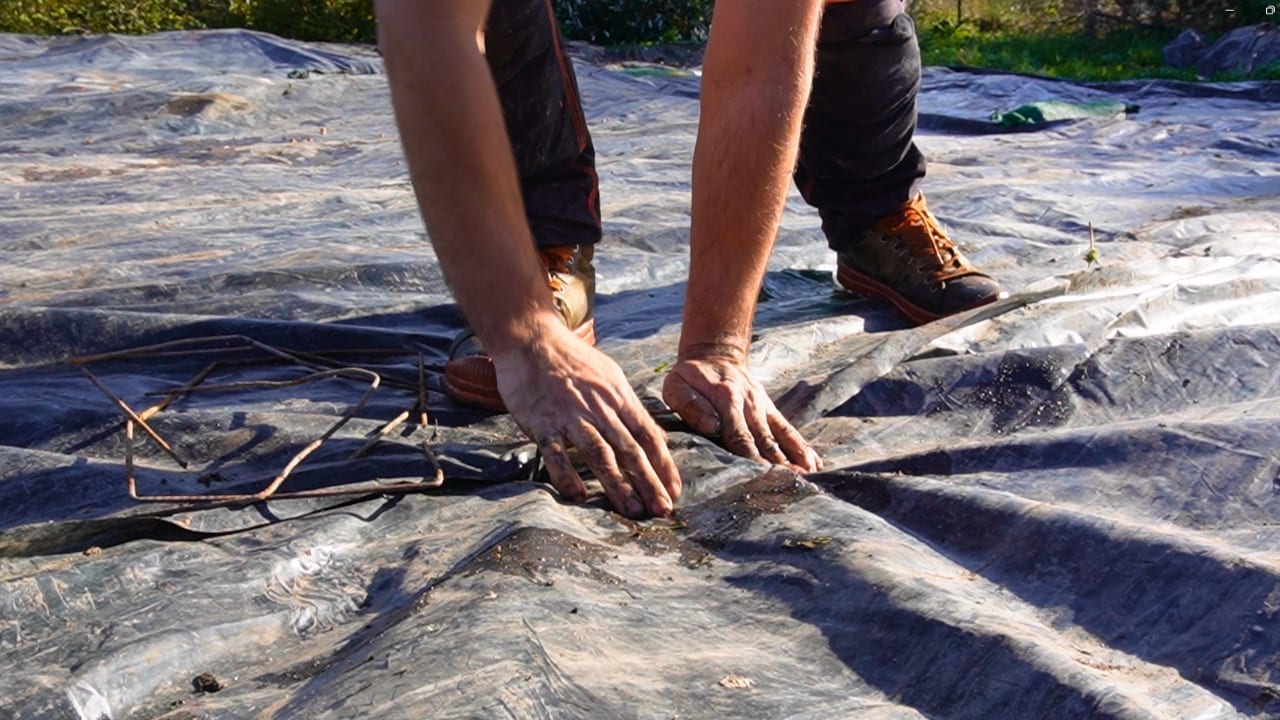
Depending on the type of soil and the level of energy available at the end of the season, two options exist.
Preparing in autumn is useful especially in clay soils, heavy and damp in spring: reshaping the beds, spreading compost, lightly cleaning the surfaces before tarping.
Preparing in spring is our current choice: our silty-sandy soil dries quite quickly, we find more energy in spring and the arrival of seasonal workers in March makes the work easier.
3. Winter tarping: a rigorous method
Tarping for the whole winter has nothing to do with tarping for two weeks in mid-season. Wind, snow load, moisture swings put the tarps to the test: fixing must therefore be done carefully to avoid bad surprises.

Conclusion
Closing the garden in winter is a founding act for the next season. Between crops in place, green manures or long tarping, each market gardener must choose according to their soil, their objectives and their level of energy at the end of the year.
Occultation, when carried out properly, remains an extremely effective tool on a small surface: it protects, structures, prepares and considerably simplifies the spring restart.
-

How to grow early potatoes successfully: the market gardener's guide
Essay article
-
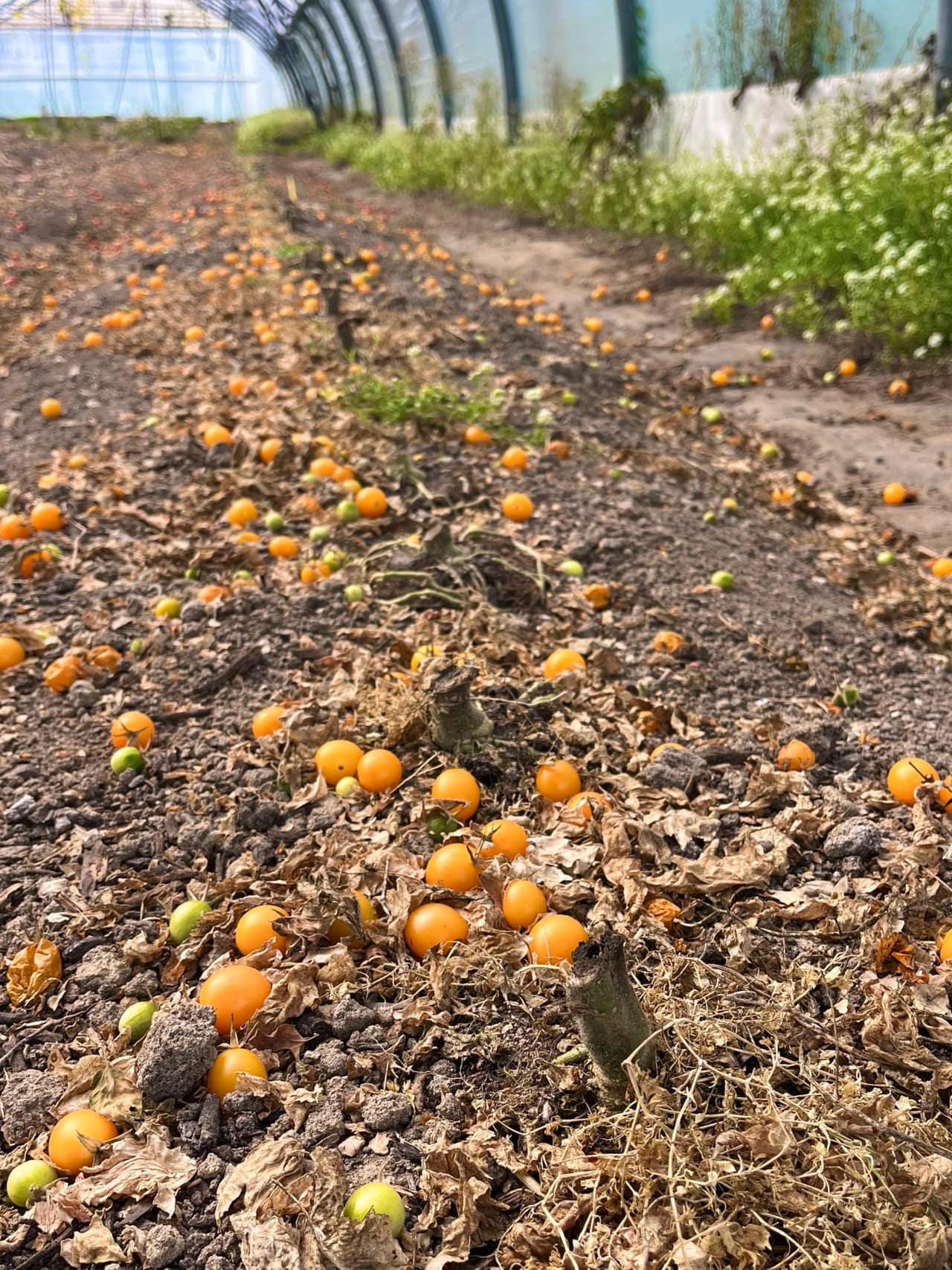
Winter rest in market gardening: an essential strategy for the long haul
Rather than enduring winter, make it an ally: a time for recovery, review and anticipation, essential for the sustainability of a micro-farm.
-
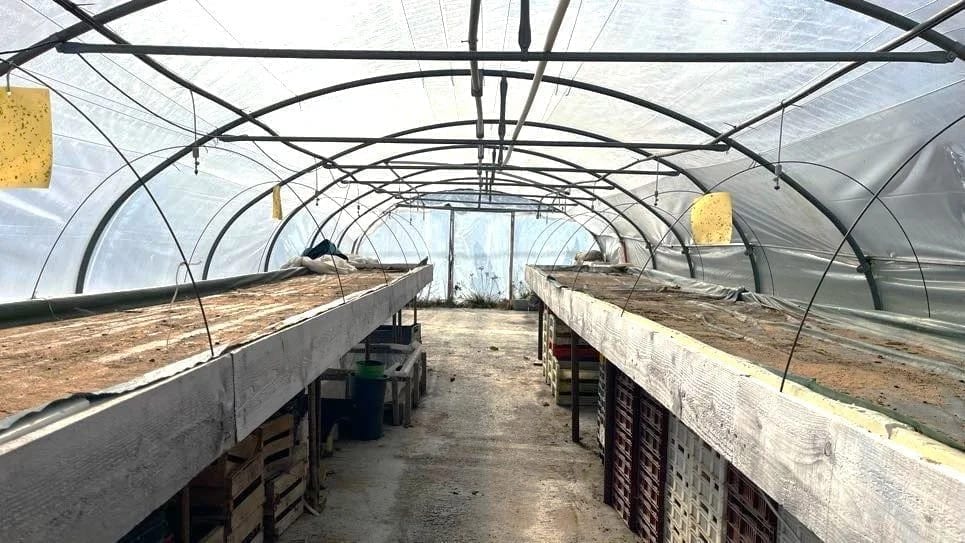
Seedling greenhouse: 5 essential tips to face the cold and succeed with your seedlings
In the heart of winter, a seedling greenhouse may seem at a standstill. Yet it is at this time that spring success is largely prepared…