
Why use insect netting in bio-intensive market gardening?
Protecting crops without treatment is a real challenge in bio-intensive market gardening. Pests can cause considerable damage, reducing yields.


Crop protection without treatment is a real challenge in bio-intensive market gardening. Pests can cause considerable damage, reducing yields and compromising harvest quality. In this context, insect netting stands out as an effective, durable and 100% natural solution.
What is insect netting?
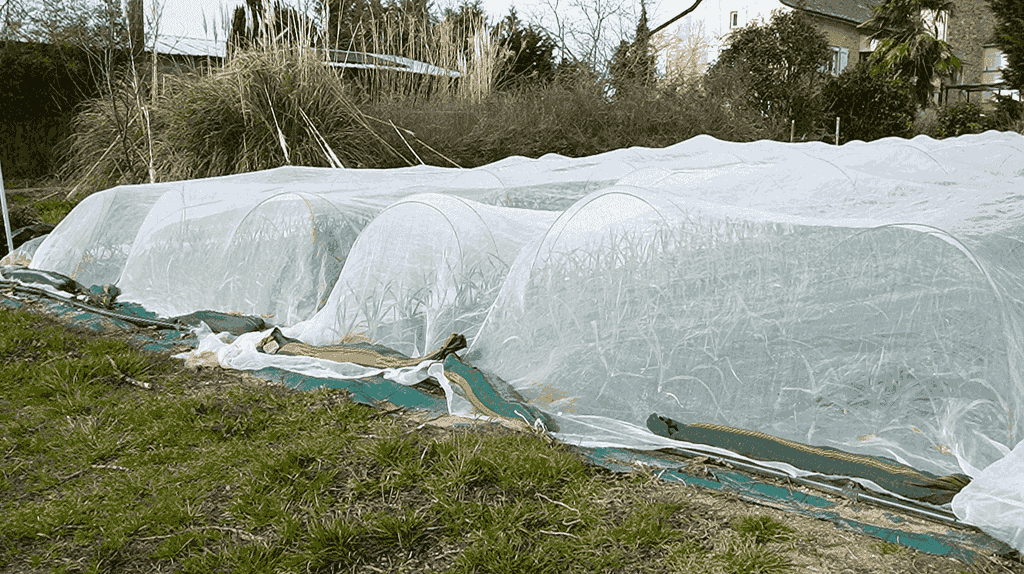
Insect nets are fine-mesh physical protections designed to cover crops and prevent pest intrusion. Made from durable materials, they let air, water and light through while forming an effective barrier against harmful insects. This method is particularly favoured in organic farming, as it limits yield losses without resorting to pesticides.
The advantages of insect netting
1. An effective barrier against pests
Insect netting effectively protects various crops against harmful insects. Here are a few examples:
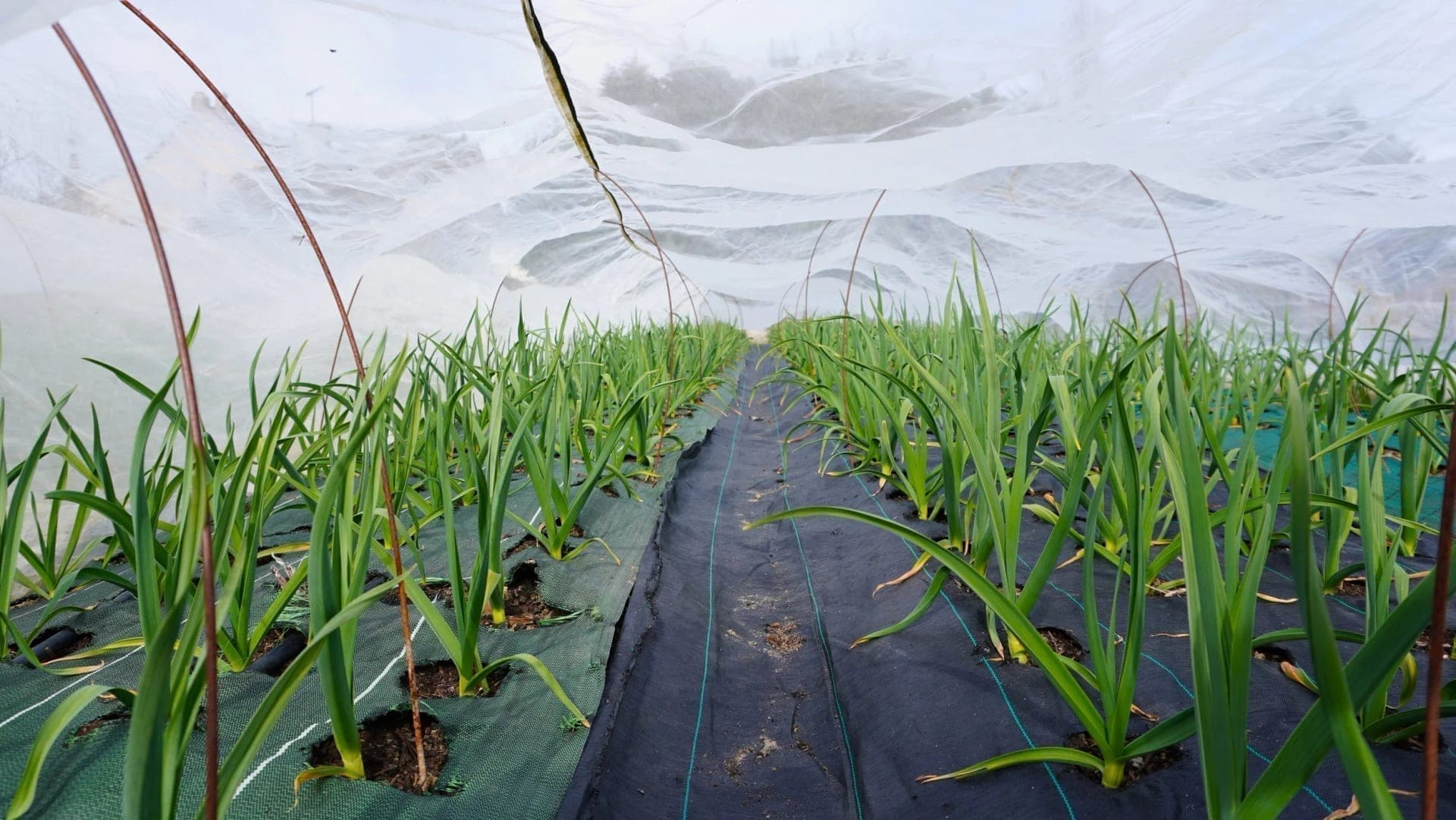
- Alliums (onion, garlic, leek): protection against the onion fly and the leek moth.
- Brassicas (cabbages, radishes, mustard…): barrier against flea beetles, bugs and pest butterflies.
- Apiaceae (carrot, celery, fennel…): prevention against the carrot fly.
By preventing access to insects, these nets drastically reduce attacks and allow you to produce healthy vegetables without chemical intervention.
2. A 100% natural alternative
One of the major strengths of insect netting is that it allows you to completely avoid the use of phytosanitary treatments, whether chemical or biological. Protection takes place passively, while respecting the environment and consumer health.
3. A durable and profitable solution
Unlike other protection methods, insect nets are extremely durable. Well maintained, they can be used for more than 10 years. Their initial cost is therefore amply amortised, offering an economical solution to market gardeners concerned about the profitability of their operation.
4. Year-round protection
Insect nets form a physical barrier that is effective in all seasons. Whether in spring to avoid the first infestations, in summer to preserve crops in full growth or in autumn to extend harvests, they adapt to the various crop cycles.
Tips for optimal installation
For insect netting to fully play its role, careful installation is essential. These are simple gestures that guarantee optimal and lasting protection, while making access to the crops easier for maintenance and harvesting.
Complementarity with other protection methods
Although very effective, insect nets can be combined with other agroecological techniques to maximise their impact. For example:
- Crop associations: growing repellent plants near sensitive crops can strengthen protection against certain pests.
- Natural auxiliaries: encouraging the presence of ladybugs, lacewings or insectivorous birds helps regulate pest populations.
- Crop rotation: changing the location of plantings each year limits the proliferation of insects specific to a given crop.
Conclusion
Insect nets are an essential solution for bio-intensive market gardeners wishing to protect their crops without treatments. Effective, natural, durable and usable all year round, they allow you to produce healthy vegetables while respecting the environment.
-
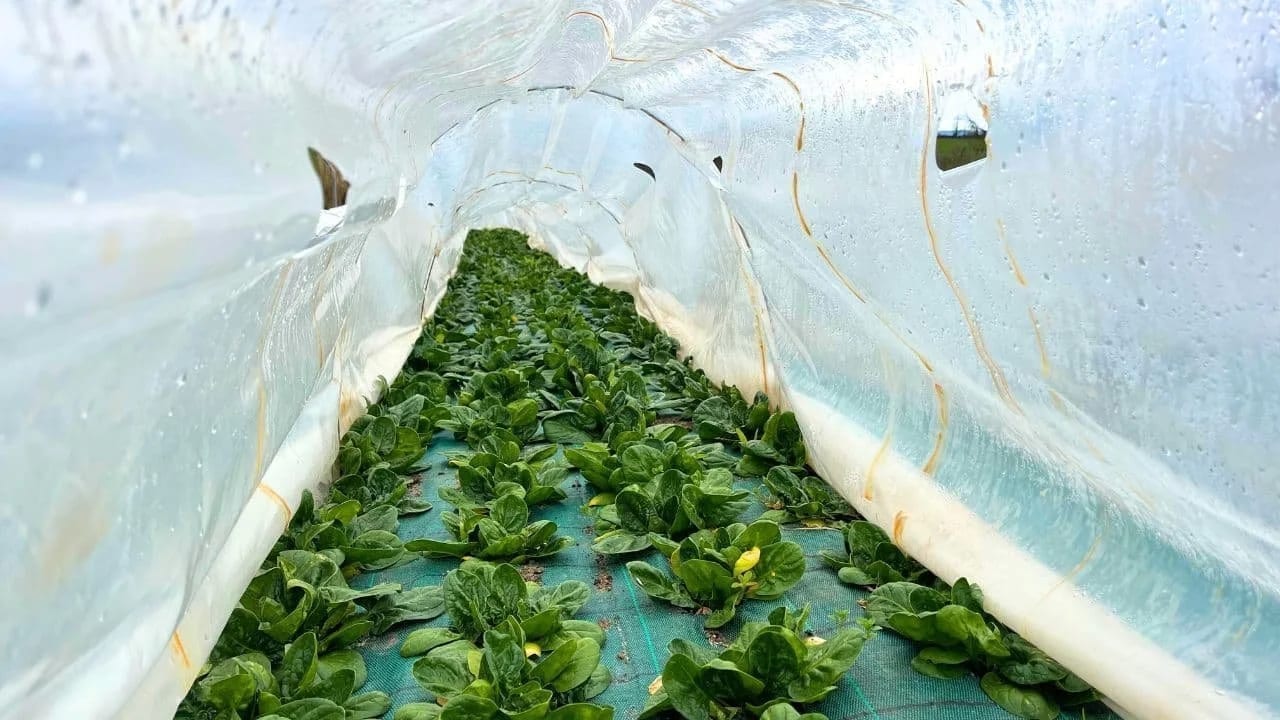
How to improve your production with Formule 1 Nantes-style tunnels?
For three years, the Formule 1 Nantes-style tunnels have revolutionized the management of spring crops on our micro-farm. Designed as an economical solution…
-

How to grow early potatoes successfully: the market gardener's guide
Essay article
-
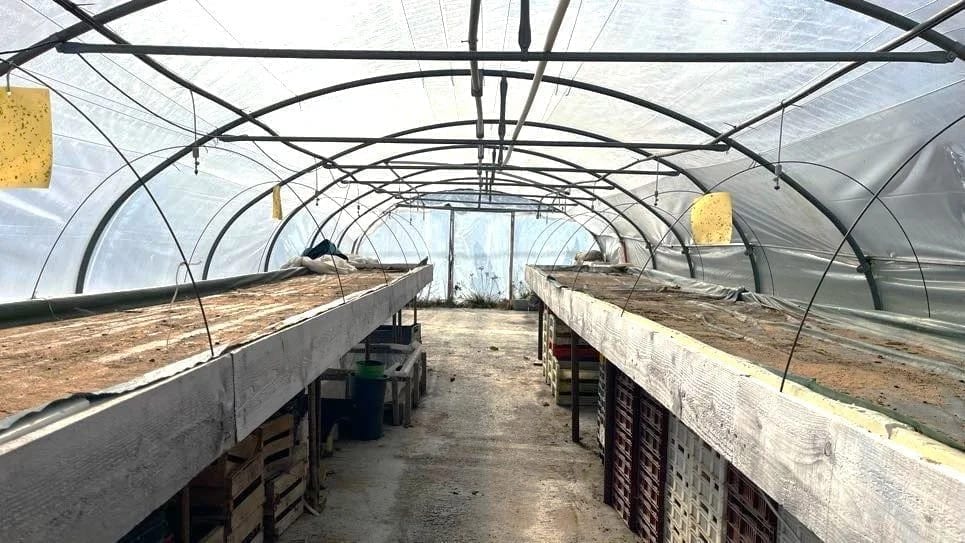
Seedling greenhouse: 5 essential tips to face the cold and succeed with your seedlings
In the heart of winter, a seedling greenhouse may seem at a standstill. Yet it is at this time that spring success is largely prepared…