
Occultation in market gardening: simple, effective and ultra performant!
Bio-intensive market gardening aims to maximize vegetable production on small surfaces while respecting the principles of organic agriculture. One of the key techniques is occultation.


Bio-intensive market gardening is a cultivation method that aims to maximize vegetable production on small surfaces while respecting the principles of organic agriculture. One of the key techniques of this approach is occultation, which consists of covering the soil to improve its fertility and control weeds. Among the materials used, silage tarp stands out for its effectiveness.
Why use silage tarps?
Polyethylene silage tarps are commonly used for occultation due to their suitable properties:
- Opacity: they completely block light from passing through, which is essential for preventing weed growth.
- Durability: they are made from resistant materials that can last several seasons (about ten years), making them economical.
- Ease of use: available in various dimensions that can be cut, they adapt effectively to the existing market gardening system.
- Moisture retention: they prevent water evaporation, creating favorable conditions for microbial life and earthworms.
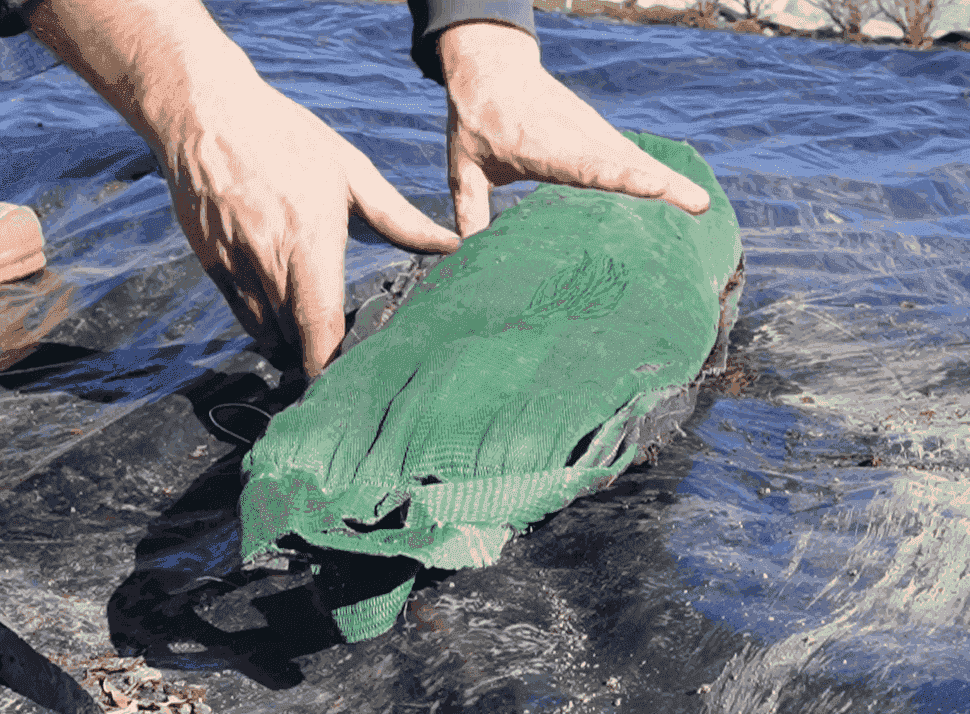
Soil preparation. Before laying the tarp, prepare the soil by removing large debris and adding compost or other organic amendments if necessary.
Roll out the tarp tight across the entire area, edges included, to prevent any light infiltration.
The benefits of occultation
- Weed reduction. By depriving weeds of light, occultation prevents their germination and growth. This considerably reduces the need for manual or mechanical weeding.
- Improved soil fertility. Under the tarp, organic matter decomposes more quickly, enriching the soil with nutrients. Beneficial micro-organisms proliferate.
- Time and energy savings. Avoids mechanical soil work, thus reducing fatigue and energy consumption.
- Moisture retention. The tarp helps maintain soil moisture by reducing evaporation, which is particularly useful in regions where water is a precious resource.
- Temperature regulation. The tarp can also help regulate soil temperature, creating a more stable environment for crops.
- Yield optimization. Naturally prepared soil promotes better vegetable growth and increased productivity.
The cost of this method
Calculations are based on a garden fully covered with 12 standardized beds, each 20 metres long, with permanent beds 75 cm wide and 45 cm walking paths.
Costs include 160 euros for a roll of tarps and about 40 euros for silosacs and staples, for a total of 200 euros for fully tarping the garden.
This modest investment is paid back through long-term use, labour time saved, energy saved and increased vegetable productivity.
Precautions to take
-

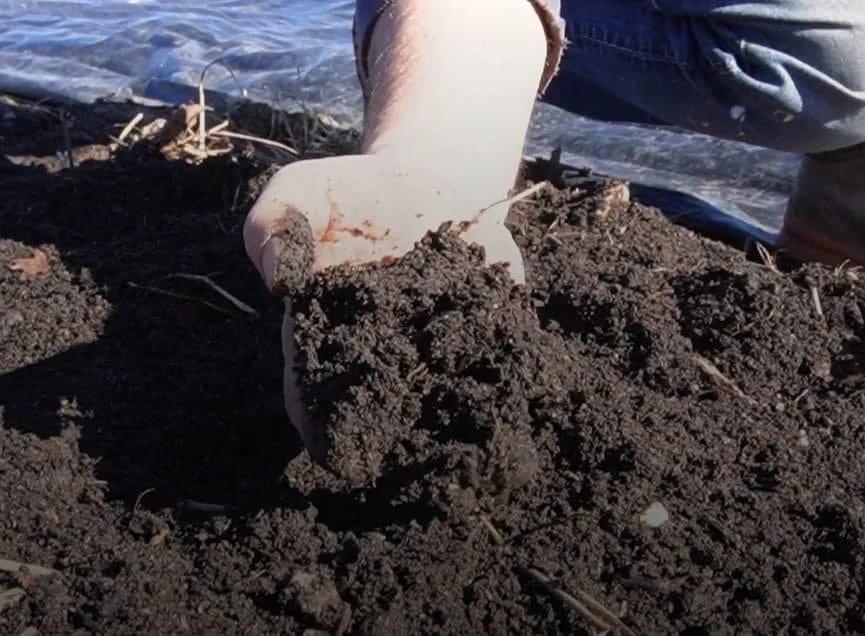
How to grow early potatoes successfully: the market gardener's guide
Essay article
-
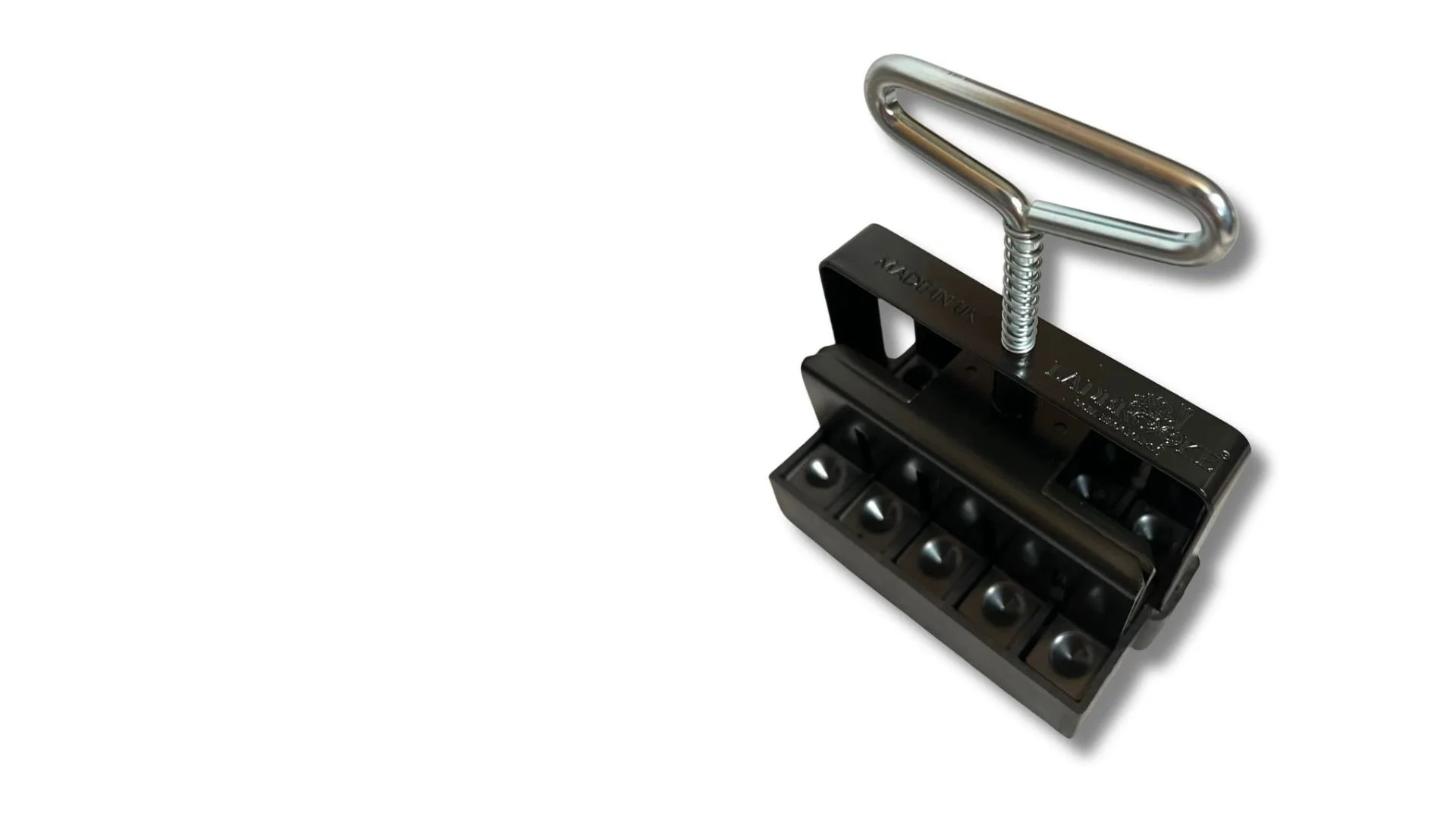
How to use the Micromotte 20 Ladbrooks for successful nightshades?
Long overlooked, the micro-soil-block maker is a remarkably effective tool to start hundreds of early tomatoes, peppers and eggplants.
-
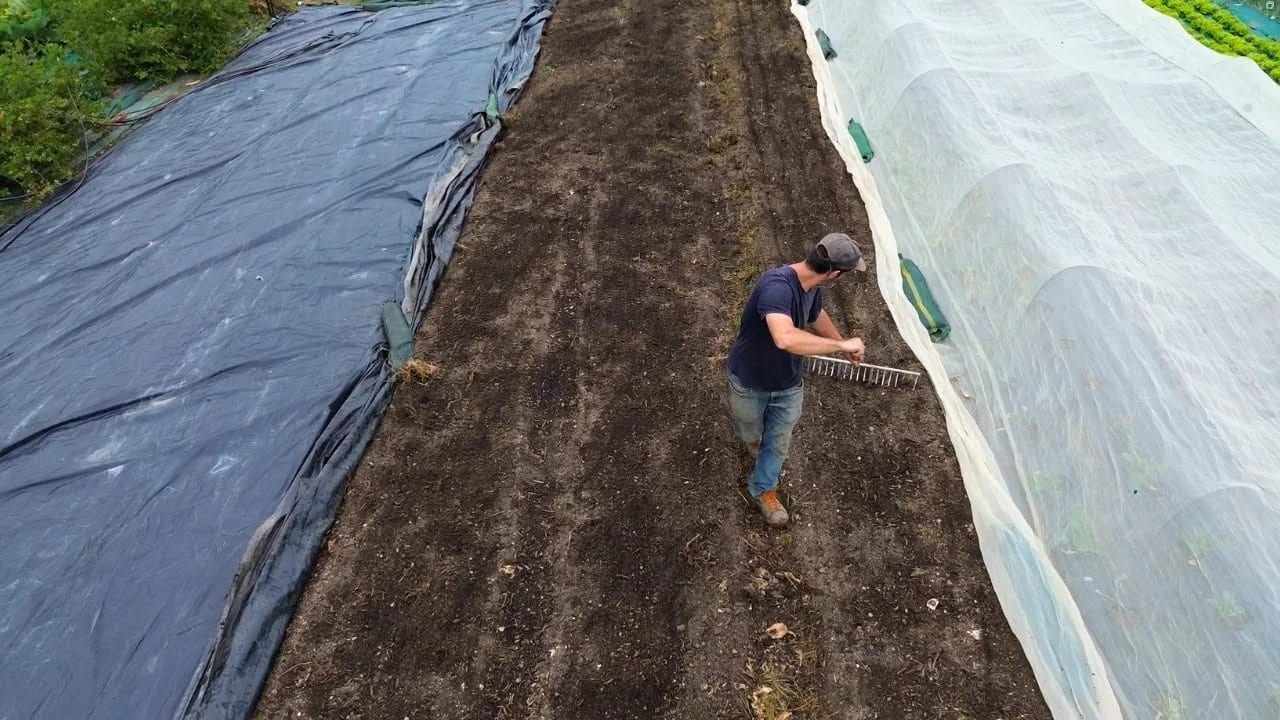
Successful autumn radishes: practical guide and tips
From bed preparation to harvest, every step counts to grow crunchy, healthy and flavorful autumn radishes from September onward.