
What mistakes should you avoid when starting out in small-scale market gardening?
Starting bio-intensive market gardening on a small surface is an exciting adventure, but full of pitfalls. Many project leaders make the same mistakes.


Starting out in bio-intensive market gardening on a small surface is an exciting adventure, but full of pitfalls. Many project leaders make the same mistakes when starting out, which can quickly compromise the viability of their farm. Here are four classic traps to absolutely avoid in order to lay solid foundations.
1. Trying to do everything at once
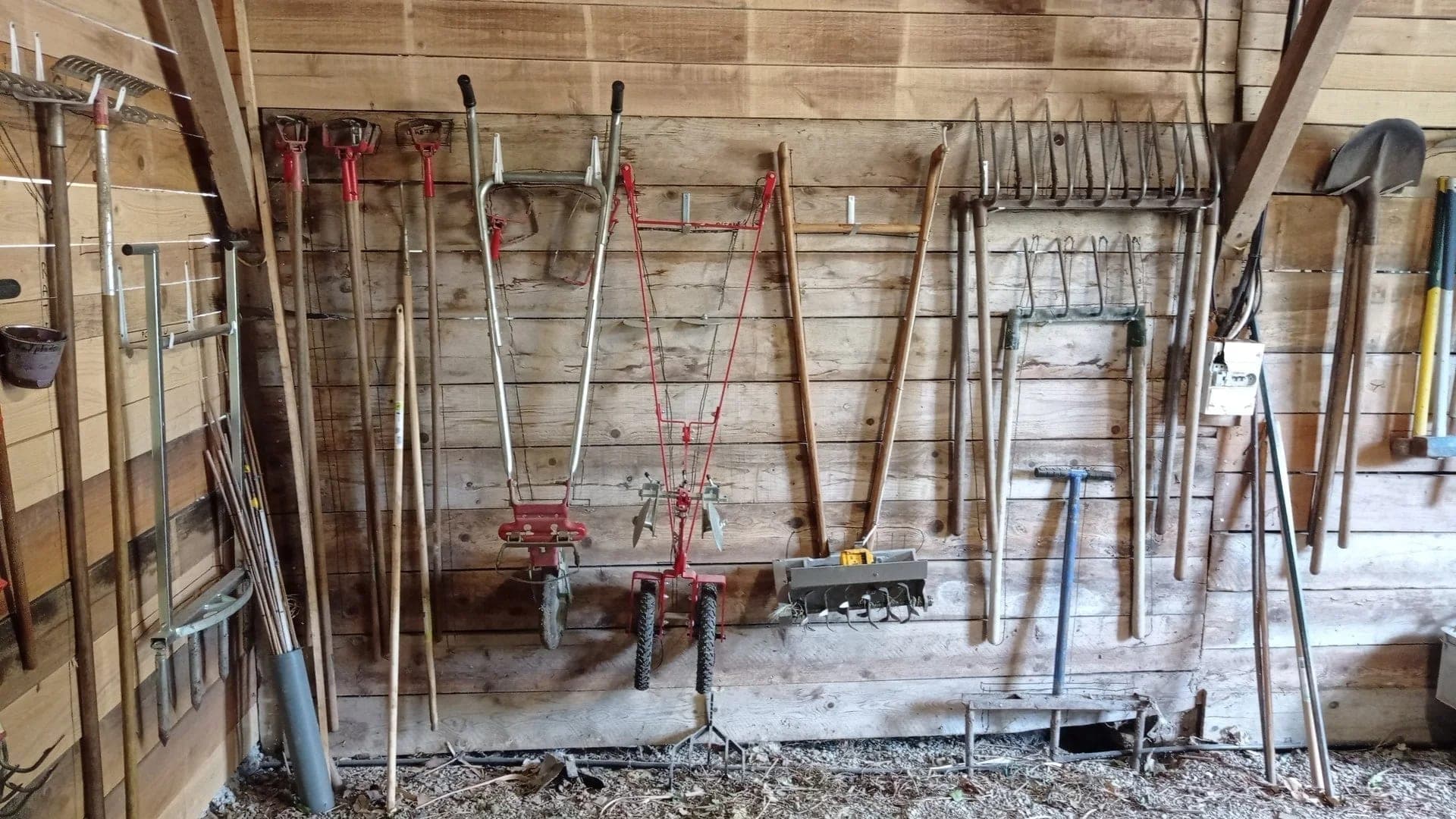
A frequent mistake among new market gardeners is wanting to do everything at once: vegetables, soft fruits, fruit trees, laying hens, seeds, compost, processing. The idea is appealing on paper, but in reality, it quickly becomes unmanageable.
Bio-intensive market gardening is already a very demanding activity. It takes time to put effective systems in place, to understand your soil, your climate, your organisation.
Adding other workshops too early, even soft fruits or a few fruit trees between the beds, considerably increases the workload: irrigation, weeding, pruning, fertilisation. So many tasks that demand energy and time you do not have at the start.
2. Underestimating the initial investment needed
Another common mistake: thinking you can start with little money, sell a bit at the market, and reinvest as you go. In reality, this considerably slows down your development and jeopardises your profitability.
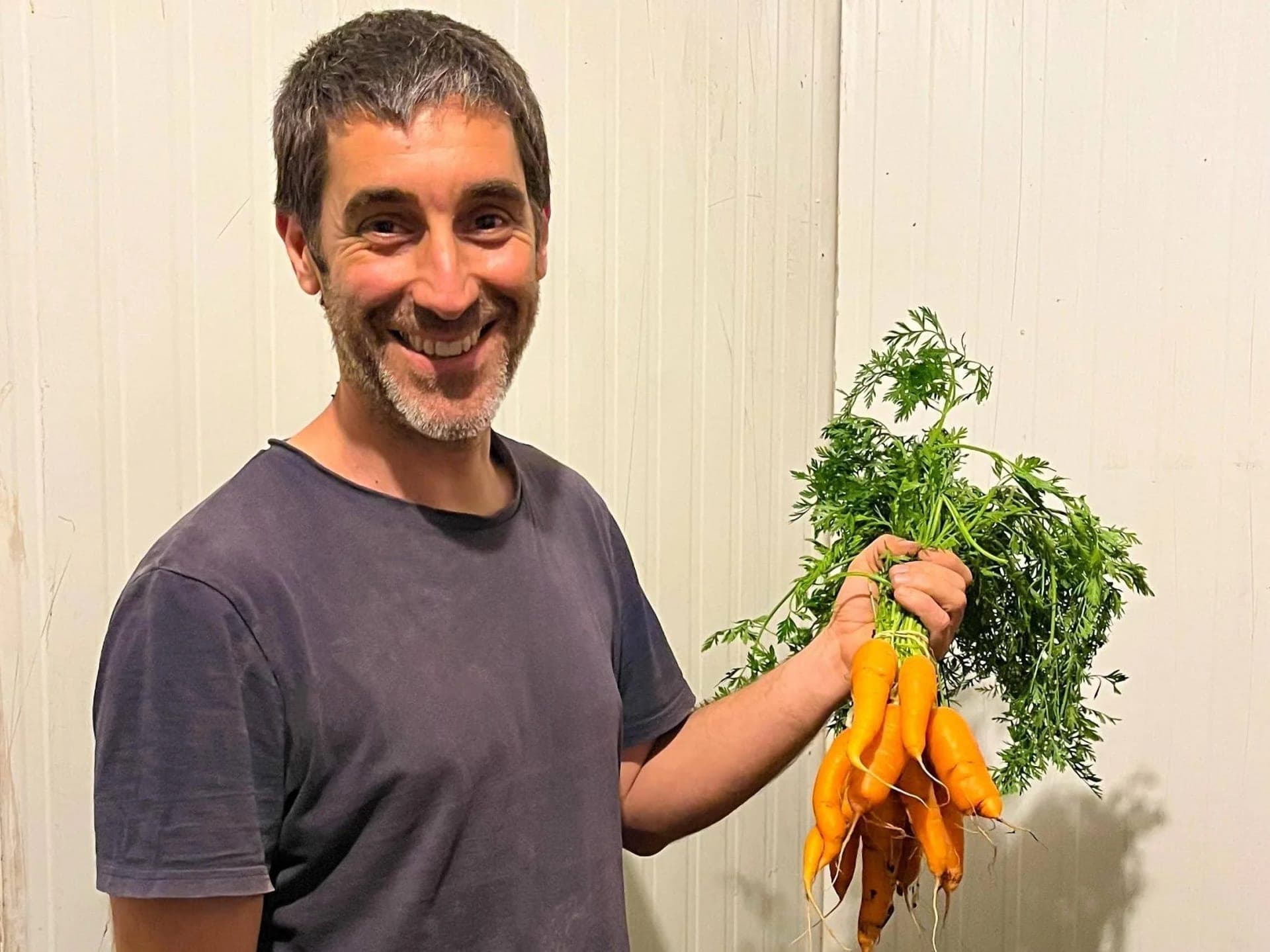
Setting up as a professional market gardener is not gardening, it is producing. You need a real working tool. That means investing in greenhouses, an efficient irrigation system, suitable tools, a cold room, a storage and washing space. Without that, productivity and quality will be limited.
If you do not have that envelope, you must look for it: public grants, bank loans, agricultural microcredit, crowdfunding. Without these resources, the risk is great of not generating enough turnover to sustain your activity.
3. Trying to produce from the first season
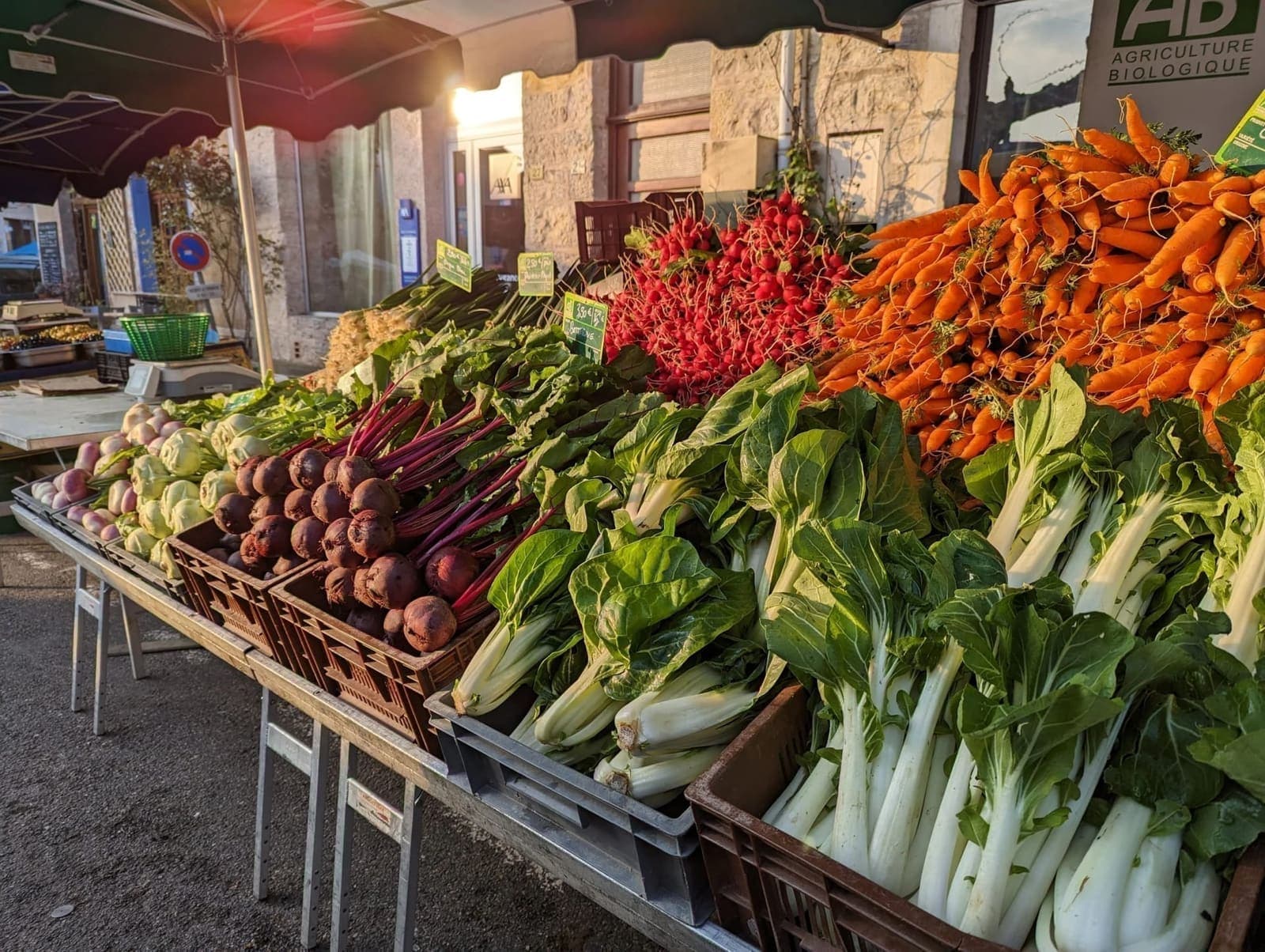
Many young market gardeners want to harvest and sell from their first season. Yet, without the basic equipment, infrastructure and organisation, that is a mistake.
The first year should be devoted to setup: assembling greenhouses, installing irrigation, building the washing room, structuring the garden.
The aim: be ready for a real first commercial season in year 2, with a functional farm and well-mastered crops. A few thousand euros not earned in the first year will be amply offset by a much more productive, smooth and profitable second year.
4. Starting with too narrow a range
In some agricultural training programmes such as the BPREA, it is often recommended to start with a small range of vegetables in order to master them better. This advice comes from a good intention, but it is counter-productive in bio-intensive market gardening.
A wide diversity (40 to 50 different vegetables, more than 100 varieties) is on the contrary a strength. It dilutes risks linked to technical mistakes or weather hazards. If a crop fails, it will only represent a small share of your turnover. With too restricted a range, the slightest loss becomes critical.
In addition, offering wide diversity attracts loyal and satisfied customers, ready to buy more from you. You maximise the purchasing potential of each customer, which is often easier than finding new customers every week.
In conclusion: train yourself, specialise, move forward step by step
Mistakes at launch are classic but avoidable. The best advice we can give: train yourself seriously before starting. Following a BPREA in market gardening is a good first step to discover the trade. Then complete your training with specialised courses, such as those offered by Les Jardins de la Valette, which immerse you in the reality of bio-intensive on a small surface.
Take your time, structure yourself, surround yourself with the right people. Bio-intensive market gardening can be profitable, pleasant and fulfilling, provided you do not skip the steps.
-
How to choose the ideal location for a thriving micro-farm?
Choosing the location is one of the major success factors for a micro-farm. Here are the criteria to prioritise to build a viable activity.
-
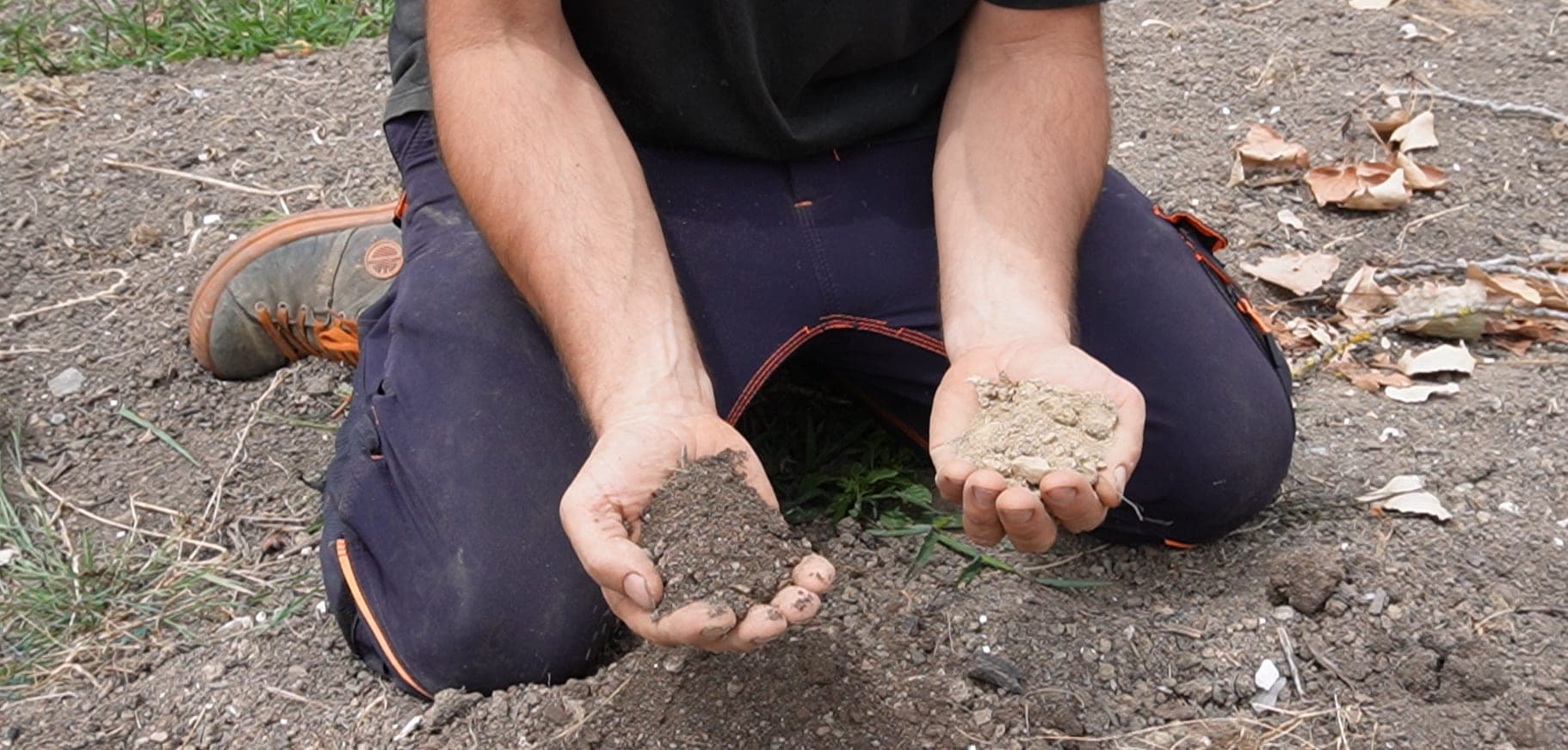
How to obtain a fertile market-gardening soil quickly?
Transforming an acidic, waterlogged, depleted soil into a living, well-structured one: a hands-on account of 5 concrete levers to make the transition succeed.
-

How to grow early potatoes successfully: the market gardener's guide
Essay article